
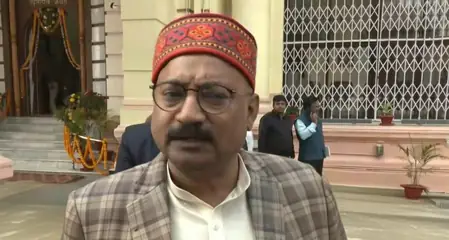
Bihar’s political landscape heated up as Minister Ashok Chaudhary condemned the Youth Congress protest at the AI Summit as a blatant attempt to degrade India’s worldwide image. Triggered by Delhi Police arresting president Uday Bhanu Chib, the minister’s statement frames the event as more than youthful activism—it’s a strategic sabotage.
Chaudhary argued that organizational heads must rein in rogue elements, regardless of personal involvement. ‘The protest was offensive and against the country’s welfare,’ he said, vowing judicial resolution. Ally Madhav Anand piled on, speculating on Chib’s backers and insisting Congress leadership, possibly Rahul Gandhi, greenlit the damaging stunt.
Such acts on global forums erode national dignity, Anand warned, demanding comprehensive probes and penalties. He refuted Congress MP Imran Masood’s narrative of communal bias, lauding Bihar CM Nitish Kumar’s even-handed ‘sushasan’ model that neither frames nor shields the errant.
This clash reveals fault lines in Indian politics, where opposition protests are branded as anti-national by the ruling side. With elections looming, the arrest and ensuing rhetoric could mobilize bases, turning a single protest into a broader electoral flashpoint.
Stakeholders await court outcomes, but Chaudhary’s ‘conspiracy’ charge has amplified calls for youth organizations to prioritize patriotism over partisanship.