
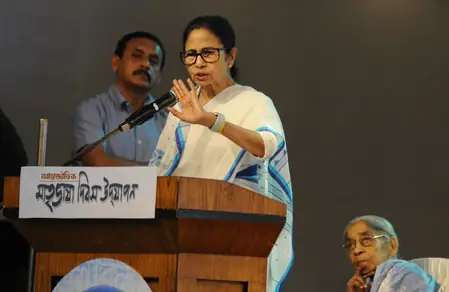
West Bengal CM Mamata Banerjee’s reaction to Kerala’s official rename to ‘Keralam’ was a masterclass in political contrast—unbridled celebration mixed with unyielding critique of the Centre’s inaction on her state’s ‘Bangla’ bid.
She led with positivity, hailing the decision as ‘a proud affirmation of Kerala’s linguistic heritage.’ This, she argued, exemplifies how governments should empower states to embrace their true identities.
The mood soured as she dissected West Bengal’s plight. Assemblies across India routinely greenlight name changes via resolutions—except here. ‘We’ve done everything right,’ Banerjee stressed, noting dual assembly passes and trilingual consensus on ‘Bangla.’
The ‘W’ predicament looms large: in English listings, West Bengal trails alphabetically, handicapping students in exams, job seekers in placements, and leaders like her in international forums. ‘I end up last in every meeting,’ she illustrated vividly.
Personal outreach to PM Modi and HM Shah has yielded zilch. Banerjee didn’t mince words: ‘Their refusal stinks of anti-Bengali bias, a slap to our cultural giants.’ She spotlighted electoral hypocrisy—BJP’s ‘Bangla’ rhetoric for votes, zero follow-through.
Kerala’s green light, timed with BJP-CPI(M) rapprochement, fueled her sarcasm: ‘Their unwritten alliance is now written. Bengal gets the scraps?’
Defiance defined her close: ‘When BJP falls, we’ll rename Bengal.’ This isn’t just nomenclature—it’s a rallying cry for cultural sovereignty, demanding the Centre honor Bengal’s voice before it’s too late.