
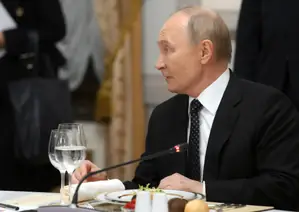
A deadly suicide attack in the heart of Moscow has ignited a fierce response from the Kremlin. President Vladimir Putin, furious over the killing of a top police official via a patrol vehicle bombing, has commanded the FSB to overhaul security protocols nationwide.
The incident unfolded pre-dawn Tuesday, with the bomber exploding a device adjacent to the police car, critically wounding two more officers. It’s part of a menacing trend: targeted strikes on high-profile military and law enforcement figures have intensified over the last three to four months.
During an emergency briefing with security agencies, Putin dissected the threat. ‘Facing strategic routs, our enemies embrace terror—striking cities, crippling infrastructure, and eliminating leaders,’ he declared. Directives flew: fortify anti-terror measures, secure critical infrastructure against Ukrainian incursions, and bulletproof public areas and borders.
Putin revealed the attacker’s profile—an online enlistee handed a device for distant detonation. Citing a surge in domestic terror, he insisted on ‘grave additional steps’ for frontier defense.
This crackdown arrives at a precarious juncture in Russia’s protracted struggle. By empowering the FSB with sweeping authority, Putin aims to dismantle terror networks and shield the nation’s backbone from further assaults.