
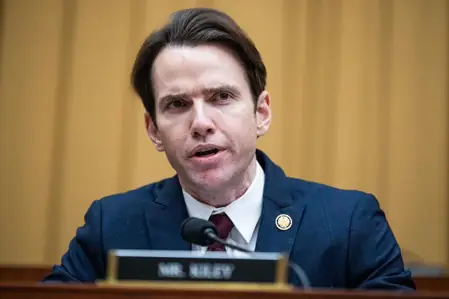
Washington lawmakers convened on February 25 for a critical hearing on AI’s role in education, themed ‘Building an AI-Ready America: Teaching in the Age of AI.’ Amid enthusiasm for efficiency gains, they voiced deep worries about misuse, privacy breaches, and eroding academic standards.
Rep. Kevin Kiley kicked off with data: 60% of public school teachers used AI in 2024-2025. Regular users save six hours weekly – akin to six weeks more teaching per year. Still, 70% feel unequipped to integrate it seamlessly.
Worse, 40% of middle and high schoolers confessed unauthorized AI use for assignments, per surveys.
West Virginia’s Michele Blatt described a nimble strategy: 2024 guidelines, updated biannually for new realities. ‘Teachers remain irreplaceable,’ she insisted.
Teach For America’s Anish Sohoni, training thousands since 2020, affirmed: ‘AI aids learning but can’t forge the vital student-teacher connections that drive true growth.’
David Sleekhuis from colleges stressed: ‘AI is present tense. Forward progress must preserve critical thinking over tech dependence.’
Microsoft’s Allison Knox highlighted ethics: student data stays private, unused for training, barred from under-13s. ‘Teachers need robust guidance,’ she said.
This dialogue marks a turning point. With AI entrenched, the push is for frameworks that amplify teaching strengths while mitigating risks, ensuring America’s students thrive in an AI-driven world.