
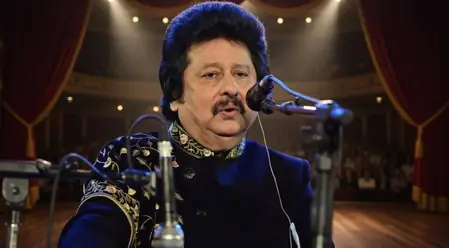
The year was 1962. India reeled from border clashes with China, and ‘Ae Mere Watan Ke Logon’ had become a rallying cry for unity. On one such stage, a decade-old prodigy named Pankaj Udhas delivered a performance so stirring that the crowd rewarded him with 51 rupees. This poignant debut in Jetpur foreshadowed a career that would define romantic playback and ghazals for decades.
Family played a pivotal role: Father Keshavbhai’s government job didn’t dampen his musical fervor, mirrored by mother Jituben and brothers’ professional singing. Pankaj’s early talent shone through disciplined training—science studies in Mumbai alongside music lessons in Rajkot and beyond, from tabla to shastriya sangeet.
Professional hurdles came early; ‘Kamna’ (1972) failed, but international tours built resilience. The breakthrough arrived with ‘Naam’s ‘Chithi Aayi Hai’ in 1986, followed by blockbuster albums ‘Aahat,’ ‘Mukarrar,’ ‘Mehfilen.’ His voice, a velvet blend of passion and precision, earned Padma Shri (2006) and Padma Bhushan (2025).
Pankaj Udhas’ life ended on February 26, 2024, in Mumbai aged 72, but his recordings immortalize the boy who first sang for his nation, reminding us of music’s power to heal and unite.