
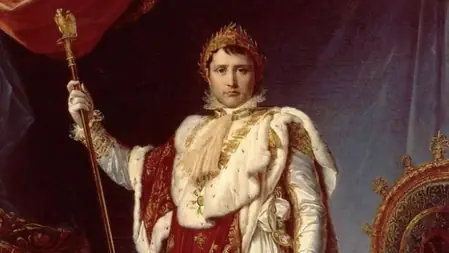
Napoleon Bonaparte’s escape from Elba on February 26, 1815, marked the start of the Hundred Days—a brief but brilliant resurgence that rattled Europe’s power balance. This chapter in history showcases the magnetic pull of a transformative leader.
Post-1814 abdication, the victorious allies installed Louis XVIII, hoping for stability. Yet, economic woes and monarchical overreach bred resentment, especially in the army loyal to Napoleon.
Ruling Elba like a miniature empire, Napoleon plotted his move amid reports of French turmoil. Departing secretly, he hit French soil at Golfe-Juan on March 1. His route to Paris, dubbed the ‘Route Napoleon,’ saw royalist forces melt away. The emperor’s bold gesture before troops—exposing himself unarmed—cemented his legend.
Reinstated by March 20, Napoleon navigated a high-stakes interlude. He reformed governance, prepared for war, and confronted a resurgent alliance. The climactic Battle of Waterloo ended in disaster on June 18. Exiled to Saint Helena’s isolation, he perished in 1821.
The Hundred Days weren’t just a comeback; they were a defiant stand against restoration, influencing future revolutions and military strategy. Napoleon’s story endures as a masterclass in charisma and the perils of overreach.