
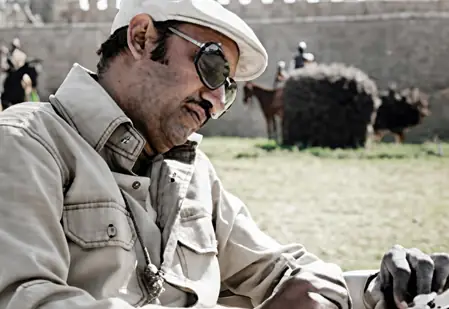
Picture this: 1970s India, cinemas buzzing with crowds cheering for films that mixed thrills, thrums of emotion, humor, and heartfelt family sagas. At the helm was Manmohan Desai, whose extraordinary run of seven straight Silver Jubilees and four Golden Jubilees made him the box office emperor of his time.
Desai’s story began in Mumbai on February 26, 1937, in a family tied to cinema through his father Kikubhai, a producer with his own studio. Orphaned at four, the family battled crushing debts, losing everything. This early hardship fueled Desai’s obsession with stories of fractured families finding their way back—a theme that struck a chord with everyday viewers.
Entering the fray via his brother Subhash, Desai assisted before helming ‘Chalia’ (1960). Raj Kapoor and Nutan’s chemistry, paired with hits like ‘Dum Dum Diga Diga’, ensured a triumphant launch.
Then came 1977, the year of the quadruple blockbuster: ‘Amar Akbar Anthony’, ‘Dharam Veer’, ‘Chacha Bhatiija’, and ‘Parvarish’. ‘Amar Akbar Anthony’ became folklore, its Silver Jubilee runs in theaters underscoring its timeless allure of brotherhood, faith, and fun.
In that era, 25 weeks earned a Silver Jubilee badge; 50 weeks, Golden. Desai’s consistent delivery of these long-runners set a gold standard.
Privately, grief marked his path after his wife’s passing. An engagement to Nanda offered hope, cut short by his accidental fall from a Mumbai balcony on March 1, 1994. Desai’s films, however, live on as vibrant celebrations of life’s reunions and resilience.