
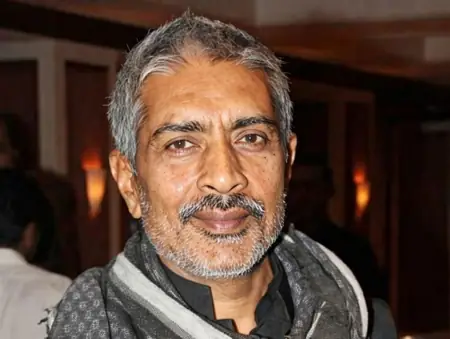
Prakash Jha’s films have long been mirrors to India’s turbulent politics and social injustices, earning him National accolades and a devoted audience. But the story behind this director’s rise is as compelling as his screenplays: a painter at heart who let Mumbai’s reel world reel him in.
February 27, 1952, in rural Bihar’s West Champaran—here began the tale of a boy who traded textbooks for art supplies. Topping his studies, he entered Delhi University for BSc, only to drop out, driven by an artist’s soul, landing in Mumbai.
Pursuing painting, Jha’s world flipped during a chance visit to ‘Dharma’ sets. The symphony of lights, lenses, and performances ignited a new passion. He joined Pune’s Film Institute, gleaning enough knowledge to launch his career, course completion notwithstanding.
Early hardships were brutal: 300 rupees in pocket, scavenging for survival amid Mumbai’s chaos. Documentaries became his lifeline, with ‘Face After the Storm’ fetching a National Award and opening doors.
Feature films started with 1984’s ‘Hip Hip Hurray’. ‘Damul’ on exploitative labor practices roared to National glory. Then came the juggernauts—’GangaJal’ battling vigilantism, ‘Apharan’ on kidnappings, ‘Raajneeti’s’ power games, and ‘Satyagraha’s’ activism.
His 1985 union with Deepti Naval bore an adopted daughter, Disha; divorce followed 17 years later. Jha’s odyssey from canvas dreamer to film maestro underscores the magic of unintended journeys.