
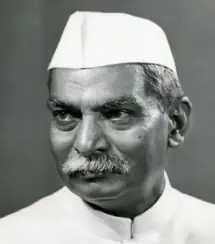
Dr. Rajendra Prasad’s life challenges the notion that high office corrupts simplicity. As India’s first President, he wielded immense authority yet clung to the values of his village roots, proving that integrity transcends position.
Born in 1884 in Siwan, Bihar, to a learned father, Prasad was a prodigy. By age five, he delved into Persian; later, he shone in Calcutta’s academic circles, clinching fellowships, master’s degrees, and law gold medals. Allahabad University’s first DL holder, he built a formidable legal reputation.
But 1920 marked a turning point. Joining Gandhi’s Non-Cooperation, he forsook wealth for the cause. His leadership in satyagrahas and Congress presidencies solidified his stature. Guiding the Constitution’s adoption in 1949, he ascended to presidency on Republic Day 1950, uniquely serving two terms.
Presidential perks? He opted out. Salary slashed from 10,000 to 5,000 rupees, then lower; no lavish aids, no gifts. Khadi-clad, prayerful, vegetarian—his routine was Spartan. Retiring in 1962, he shunned state facilities, returning to Patna’s modest ashram where he breathed his last a year later.
Bharat Ratna recipient and freedom icon, Prasad’s museum in Bihar Vidyapeeth keeps his memory alive. On this death anniversary, his example urges leaders to embrace frugality and service, a timeless lesson in ethical governance.