
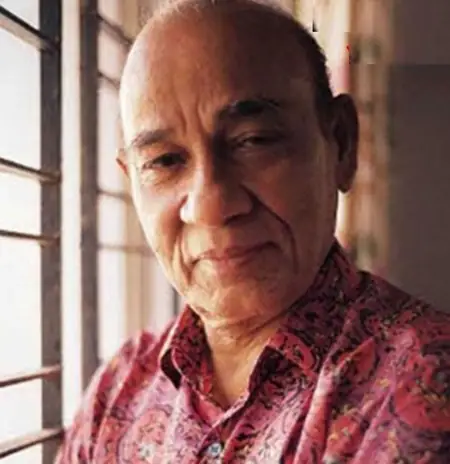
Indeewar wasn’t just a lyricist; he was the voice of the streets, infusing Bollywood with songs that felt personal and profound. His four-decade career gifted audiences over 1,000 tracks across 300 films, rich in love, pain, patriotism, and earthy realism—all in simple, relatable Hindi-Urdu.
Shyamlal Babu Rai’s early life brimmed with poetic flair. As ‘Azad,’ his freedom-fight songs drew British ire and imprisonment. Official recognition as a freedom fighter took 20 years post-1947. In Mumbai, marital life brought battles, but his mantra prevailed: ‘Success means descending to the people’s level with mixed Hindi.’
Hits poured from this wellspring—’Mere desh ki dharti’ celebrating soil’s bounty, ‘Hai preet jahaan ki reet sada’ extolling unity. Romantics swoon over ‘Aap jaisa koi meri zindagi mein aaye.’
The ‘Malhar’ story captures his humility. Drafting ‘Pyar ki duniya mein ye pehla kadam,’ he penned ‘patwar ki darkaar nahin.’ Kalyanji intervened: ‘Darkaar’ signifies ‘required,’ so ‘patwar bhi darkaar nahin’ packs more punch. Indeewar referenced Bharat Vyas’s ‘Jindagi bhi ek motorcar hai,’ but embraced the tweak. This nuance elevated their collaboration, especially with Kalyanji-Anandji on timeless scores.
Defying Urdu-dominated cinema, Indeewar centered Hindi. Rakesh Roshan’s ‘Karan Arjun,’ ‘Koyla,’ and more bore his signature. His enduring appeal? Lyrics that cut through complexity, straight to the soul— a lesson in crafting culture-defining art.