
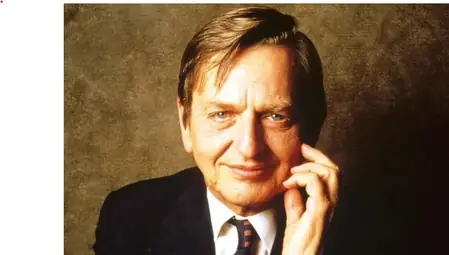
Sweden’s idyllic image cracked on a chilly Stockholm night in 1986. Prime Minister Olof Palme, champion of the common man, was assassinated in plain view – no protection, no warning. This is the story of a leader who paid the ultimate price for his faith in openness.
February 28, 11:21 PM. After a cinema outing, Palme and wife Lisbet wandered homeward on a crowded street. Palme’s choice to forgo security was legendary, rooted in Sweden’s trust-based culture. A gunman approached undetected, fired twice at point-blank range. Olof succumbed instantly to his chest wound; Lisbet, injured, survived to recount the chaos.
Born in 1927, Palme rose through Social Democratic ranks to lead Sweden twice. His foreign policy was unapologetic: anti-Vietnam War protests, sanctions on apartheid, calls to end arms proliferation. He bridged left-wing ideals with global influence, but his candor bred powerful adversaries.
The murder sent shockwaves. A peaceful welfare state mourned its moral compass. Investigations consumed resources for 34 years. Pettersson’s trial gripped headlines, only to collapse. Renewed scrutiny in 2017 zeroed in on Engström, a peculiar witness who lied repeatedly and collected crime scene newspapers obsessively. His 2020 identification as prime suspect ended the saga without trial.
Beyond the whodunit, Palme’s death symbolized lost innocence. Sweden bolstered protections, questioned its complacency. Today, memorials honor his legacy, urging vigilance without forsaking democratic values. The unsolved echoes persist, fueling books, documentaries, and eternal what-ifs.