
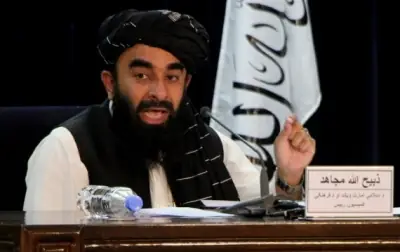
In a fiery exchange amid Kabul-Islamabad standoff, Taliban mouthpiece Zabihullah Mujahid accused Pakistan of fueling area-wide turmoil through a rogue element. The claim surfaced at a Kandahar media event, where he implored nations worldwide to curb the agitators disrupting peace.
Afghanistan’s aviation units hit back hard, zeroing in on Pakistani army outposts after Islamabad’s aggressive overnight sorties into Afghan territory. The strikes ravaged areas in Kabul, Paktia, and Kandahar, felling 13 defenders and injuring 22 in the fierce clashes.
Pressed on potential ceasefires urged by outsiders, Mujahid reaffirmed a commitment to talks but lambasted Pakistan’s unwillingness to resolve disputes peacefully despite repeated overtures. He painted Islamabad as a serial warmonger, tying its homegrown problems to Afghan borders and noting persistent incursions by its warplanes.
Earlier, deputy Hamdullah Fitrat detailed revenge airstrikes on high-value targets: a camp near Faizabad in Islamabad, Naushera barracks, Jamrud outpost, and Abbottabad facilities. Defense ministry tallies: 55 Pakistanis eliminated, 19 posts and two camps overrun. Afghanistan mourned eight of its own and tended to 11 hurt.
Horror unfolded in Nangarhar as Pakistani rockets pounded a displaced persons camp, wounding 13 innocents—women and kids among them. This vicious cycle of retaliation underscores the fragility of Durand Line peace, raising alarms for international mediators racing against a potential wider war.