
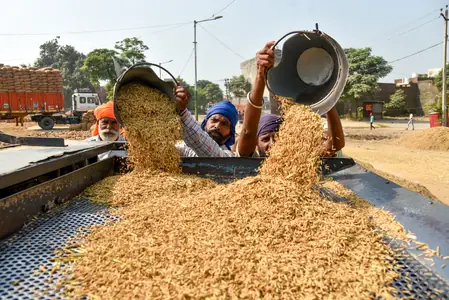
The central government has pressed pause on adding vitamins and minerals to rice distributed via major welfare schemes, including PMGKAY, pending the rollout of superior nutrient distribution tech. This calculated decision prioritizes quality over quantity in nutrition delivery.
A comprehensive audit, led by insights from IIT Kharagpur, exposed vulnerabilities in fortified rice’s longevity. Tested under India’s varied climates, the study found that moisture, heat, humidity, and packaging flaws accelerate nutrient breakdown, especially during the standard 2-3 year storage span.
With central reserves boasting 67.4 million metric tons against 37.2 million tons yearly disbursements under welfare heads, the scale amplifies these risks. Degraded micronutrients mean reduced efficacy for the millions relying on these grains to combat deficiencies.
The Ministry of Consumer Affairs, Food and Public Distribution acted decisively, suspending the process to avoid suboptimal outcomes. No impacts are anticipated on PDS operations, child nutrition via ICDS, or Mid-Day Meals—grain flows remain uninterrupted.
Flexibility for states includes mixing fortified and plain rice for KMS 2024-25 pendings and 2025-26 inflows, tailored to logistical realities. This adaptability underscores the government’s focus on resilience.
Looking ahead, the emphasis on ‘robust and effective’ systems signals innovation in food fortification. For a nation where rice is dietary bedrock, this evolution promises sustained gains in tackling hidden hunger, blending tradition with modern science.