
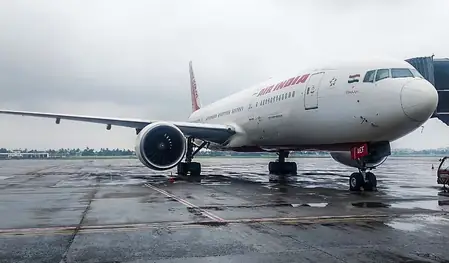
Dubai’s skies fell silent Saturday as Airports Council declared an indefinite suspension of all flights at Dubai International (DXB) and Dubai World Central-Al Maktoum (DWC), triggered by Israel’s bombing of Tehran. Regional airspaces—Israel, Iran, Dubai, Iraq—locked down, derailing travel plans across the Middle East and beyond.
In an X post, Dubai Airports advised: ‘Flight operations at DXB and DWC suspended until further notice. Avoid airports; contact airlines for status.’ They promised ongoing vigilance and updates.
This powerhouse airport, ranking among the globe’s busiest, typically sees 1,200+ daily flights from 100+ airlines to 270 destinations, powering carriers like Emirates, Flydubai, IndiGo, and Air India. The blackout exposes aviation’s fragility in conflict zones.
Cascading impacts hit Gulf hubs hard: cancellations, diversions, path alterations for security. Israel’s post-attack airspace closure spurred European and Gulf airlines to cancel or detour flights urgently.
Flydubai flagged issues from Iraq-Iran-Israel closures. Air India halted Middle East services entirely, affirming: ‘Safety of passengers and crew remains paramount; we’ll adapt as needed and support travelers.’ Air India Express mirrored this, nixing Gulf westbound flights.
With US-Israel launching significant Iran operations, the region teeters on wider war. Analysts warn of sweeping geopolitical shifts and economic turbulence, urging calm as airlines rally aid for stranded passengers.