
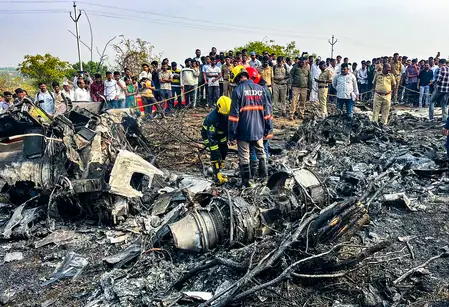
Saturday brought the AAIB’s preliminary insights into the Baramati plane tragedy of January 28, where five perished, including prominent politician Ajit Pawar. Based on early evidence, this report is tentative—final verdicts pending deeper analysis.
Framed by ICAO protocols and Indian rules, the focus stays on prevention, steering clear of liability assignments. The duo at the controls were seasoned: repeat visitors to Baramati, versed in its features, boasting VIP and uncontrolled airfield hours.
Both cleared pre-flight breath analyzer screenings by the aircraft’s paramedic, backed by video and slips showing negative results. Yet, visibility that day? Just 3,000 meters against a 5,000-meter VFR need.
AAIB’s safety pushes include vigilant monitoring of small airfields, licensing reviews, and instant boosts to landing and weather setups. Cockpit voice data extraction looms, with US NTSB aid inbound.
This unfolding story underscores the perils of suboptimal conditions at secondary airports, fueling demands for systemic overhauls to protect passengers and crew alike.