
Pakistan’s controversial blasphemy laws are under scrutiny again after a Gujranwala family reported extortionate threats tied to an illegal land occupation. Rights group HRFP is leading the charge for accountability.
Server Masih’s household became a battleground on February 23, when neighbors seized control and fortified it with religious iconography. The bold move included Quranic inscriptions and Medina photos, designed to deter reclamation efforts through fear of reprisal.
The family, rooted in the property for seven decades, faces existential peril. Attempts to evict intruders could invite blasphemy suits, historically sparking deadly mobs. HRFP documented threats of arson and communal violence scrawled on entry points.
Supporting testimonies from locals, notably child witness Mohammad Shahid, affirm the Masihs’ legitimate claim. HRFP’s Naveen Walter links this to a troubling trend: blasphemy misused in Faisalabad hospital clashes and Jaranwala pogroms over mundane conflicts.
Compounding the injustice, law enforcement has remained passive, ignoring pleas for FIRs. Walter decries this hesitation as a byproduct of blasphemy-induced panic, stifling prompt action.
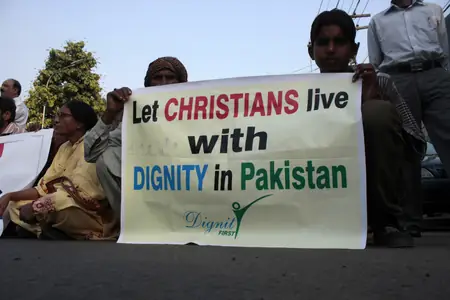
HRFP demands robust security, thorough investigations, and legal action to restore the property and punish offenders. This episode reveals systemic vulnerabilities for Pakistan’s Christians, numbering millions, who live under constant threat from weaponized faith-based accusations.
Reform is imperative to safeguard justice and prevent the law from becoming a tool of terror.