
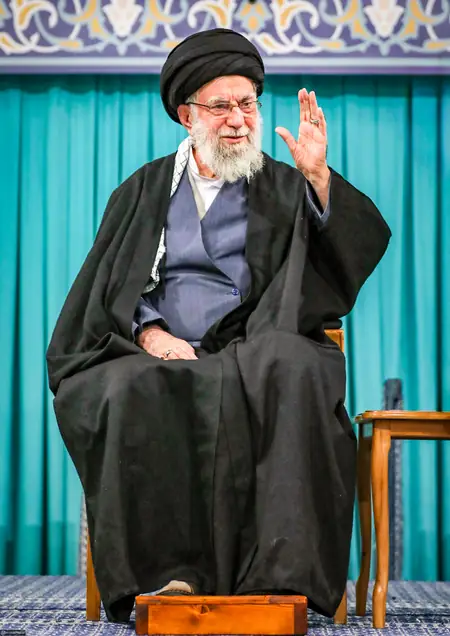
Reports confirming Supreme Leader Ayatollah Ali Khamenei’s elimination have left Iran in political limbo, with U.S. officials voicing concerns over the ensuing power vacuum. Divergent statements from both sides paint a picture of strategic impasse.
Sen. Tom Cotton, Senate Intelligence chair, assured CNN viewers of relentless U.S. military pressure. ‘Expect organized strikes dismantling Iran’s missile arsenal, launchers, and factories soon,’ he said.
To CBS, Cotton ruled out boots-on-the-ground escalation, opting for beefed-up air and sea operations. Persistent threats to U.S. installations, regional allies, and Israel loom large, he cautioned.
Vice Chair Sen. Mark Warner confessed to CNN: limited visibility into Iran’s internal dynamics after Khamenei.
ABC News featured Sen. Adam Schiff decrying the campaign as overreach for regime change sans provocation. Relieved at the tyrant’s fall, he warned against entangling U.S. forces in civil strife.
Iranian FM Abbas Araghchi countered fiercely: U.S. moves constitute outright invasion; Iran’s reprisals are rightful self-preservation. ‘No holds barred in our defense,’ he asserted.
Washington’s hawkish posture clashes with Tehran’s defiance, fueling speculation on succession battles within the Revolutionary Guard and clerical elite.
As proxy militias stir and sanctions bite harder, the world ponders: will Iran fragment or rally under a new strongman? This pivotal moment could redefine alliances across the volatile region.