
Qatar wasted no time on Sunday voicing outrage over Iran’s drone strikes on Oman’s bustling Duqm Commercial Port and a hovering oil tanker off its coast. The condemnation from Doha’s Foreign Ministry was unequivocal, decrying the actions as sovereignty breaches and despicable targeting of a diplomatic bridge-builder.
In a detailed communique, the ministry affirmed full backing for Oman’s defensive steps to preserve its security amid these provocations. Oman’s role as an active facilitator in Iran-international dialogues was front and center, with Qatar slamming the attacks for undermining de-escalation channels.
Social media posts from the ministry painted a vivid picture: ‘Katar strongly condemns the Iranian attacks on Duqm port and the oil tanker.’ Reports confirmed one drone hit worker quarters, injuring one outsider, and another scattered debris near fuel depots without additional harm.
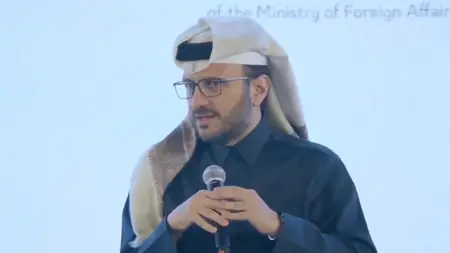
Echoing this, Majid Mohammed Al-Ansari, a top Foreign Ministry figure, warned on X of a troubling trajectory. ‘This is an attack on mediation itself—a nation striving to mediate and halt violence,’ he asserted, connecting it to past risks faced by Qatar in similar roles.
The pattern, he argued, erodes critical avenues for controlling conflicts and sustaining peace. Oman’s agency quoted secure sources on the minimal damage, but the symbolic blow to its neutral stance resonates widely.
Strategically located, Duqm bolsters Oman’s economy through energy transit and commerce. Qatar’s alliance signals deepening Gulf cohesion, potentially deterring future aggressions. With eyes on Hormuz chokepoints, this flare-up tests diplomatic resilience in a volatile arena.