
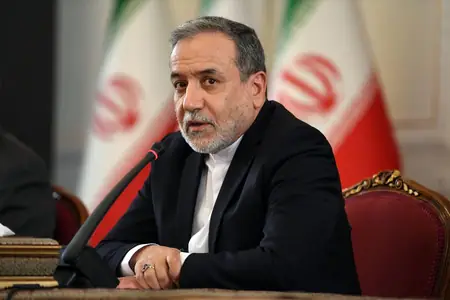
The death of Iran’s Supreme Leader Ali Khamenei in US airstrikes has ignited a diplomatic firestorm, with Foreign Minister Abbas Araghchi denouncing the operation as criminal aggression and pledging an uncompromising counterstrike. During a pointed ABC News exchange, he trashed US defenses of the attacks, clarifying Tehran’s self-defense imperative.
America’s moves constitute aggression; ours, self-defense,’ he articulated, bolstering Iran’s position internationally. No hints of cooling tensions emerged—Araghchi’s tone bespoke total commitment to retaliation, undefined in scope or speed.
As Washington presses its campaign against Iranian missile capabilities, Tehran stays mum on setbacks or succession turmoil. Meanwhile, US Senate dynamics reveal fractures: Intelligence chief Tom Cotton mapped methodical degradation of enemy munitions, from sites to production, citing relentless risks to bases, allies, and Israel.
Critics like Senators Warner and Schiff demurred. ‘No immediate danger warranted this,’ Warner observed, flagging post-assassination opacity. Schiff assailed the regime-change thrust as baseless overreach.
Iran’s roadmap ahead invokes the Assembly of Experts for leadership renewal, shadowed by IRGC dominance. Araghchi’s bold posture amid vulnerability underscores resilience, but escalates perils of miscalculation. Stakeholders worldwide brace for ripples from this seismic shift.