
Tensions exploded along the Lebanon-Israel frontier after Hezbollah responded to Ayatollah Ali Khamenei’s killing with rocket salvos—the first breach of the November 2024 truce. The strikes from southern Lebanon followed US-Israel operations that claimed the life of Iran’s supreme leader.
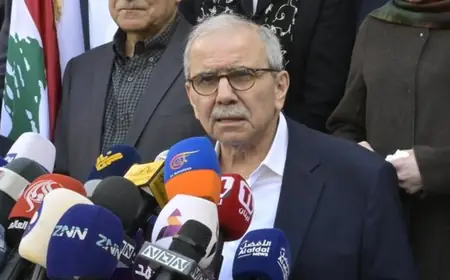
Prime Minister Nawaf Salam took to social media with a veiled rebuke, calling the launches from Lebanon’s south a ‘suspicious and irresponsible’ gamble that hands Israel justification for invasion. Vowing to shield his people, Salam promised to clamp down on culprits and prevent the country from sliding into fresh turmoil.
Israel wasted no time retaliating. One rocket was downed by defenses; others fizzled harmlessly. Sirens wailed across the north as residents hunkered down, with emergency services noting light injuries from the dash to safety.
Airstrikes hammered Hezbollah positions in Beirut and beyond, targeting high-value assets per IDF statements. Northern chief Rafi Milo framed it as payback for betraying Lebanon for Iran: ‘They chose Tehran and struck our people—we’re ready, and the cost will be steep.’
As smoke rises over the borderlands, this flare-up revives specters of prolonged conflict. Hezbollah’s defiance post-Khamenei tests Lebanon’s fragile unity and Israel’s resolve. Global powers, many branding the group terrorists, brace for ripple effects from Iran’s leadership void. Salam’s warnings hint at internal pushback, but enforcing restraint on armed proxies remains Lebanon’s steepest challenge.