
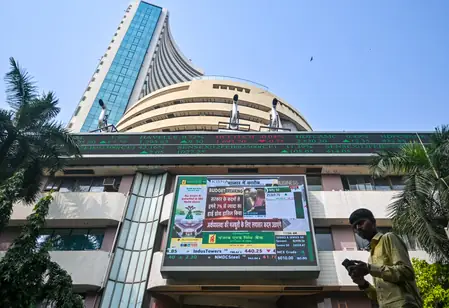
The shadow of the Israel-Iran war has descended on Indian bourses, propelling the Sensex into a steep decline of 1,486 points or 1.83% to below 80,000 at 79,806 during midday trade. Nifty mirrored the despair, falling 453 points or 1.80% to 24,725. BSE’s total market cap evaporated by 9 lakh crore to 454 lakh crore, a stark reminder of how swiftly sentiment can sour.
Autos and consumer durables led the plunge, with their Nifty indices both down 3%. Close behind were Infra (-2.77%), Realty (-2.39%), Oil & Gas (-2.30%), and Energy (-2.22%). Even resilient mid and smallcaps buckled: Nifty Midcap 100 shed 2.03% to 57,914, Nifty Smallcap 100 lost 2.14% to 16,566.
Within Sensex, the loser list was exhaustive—L&T, IndiGo, Maruti Suzuki, M&M, Asian Paints, Eternal, Trent, NTPC, Titan, UltraTech Cement, Bajaj Finserv, Bajaj Finance, HCL Tech, Tech Mahindra, Infosys, SBI, Power Grid, HUL, Tata Steel, Kotak Mahindra, Axis Bank, HDFC Bank, ICICI Bank—while BEL, Sun Pharma, and Bharti Airtel eked out gains.
Blame lies with the escalating Middle East conflict, now ensnaring the US and Gulf allies, alongside rupee depreciation. Bullion and crude prices exploded: gold up over 3% to $5,415/oz, silver +2.7% to $95/oz, Brent +9% to $79/barrel, WTI +8% to $72/barrel.
For investors, this is a wake-up call on risk diversification. Cyclical sectors exposed to oil volatility face headwinds, while defensives like pharma show pockets of strength. As diplomats scramble, markets will hinge on oil supply disruptions and Fed rhetoric. Long-term, India’s growth story endures, but short-term volatility demands disciplined portfolio management.