
Families in Uttar Pradesh’s Barabanki are reeling from the fallout of American and Israeli strikes on Iran, where more than 12 locals—including clerics, students, and dependents—are marooned in Qom. This revered center for Islamic scholarship has turned into a communication black hole due to internet outages, sparking widespread alarm.
Names like Maulana Jafar Abbas Faizi, Maulana Abid Hussain Kazmi, Maulana Ali Mehdi Rizvi, and Maulana Syed Khasif Rizvi Jaedpuri headline the list of those immersed in religious pursuits. Their households, complete with young children and relatives, share the uncertainty. Early post-attack exchanges hinted at peripheral explosions and internal stability in Qom, but the internet clampdown erased all further updates.
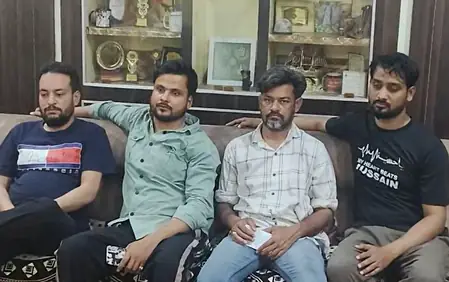
Maulana Abbas Mehdi ‘Sadf’, sibling to Faizi, voiced mounting concerns to journalists after the last tenuous link broke. The Katra Mohalla community mirrors this agony over Maulana Ali Mehdi’s silence. Drawing from personal experience, Maulana Imran portrayed Qom’s serene, peace-oriented populace, isolating internet failure as the sole disruptor.
Unconfirmed assurances of safety do little to quell doubts without live proof. Mosques in Barabanki buzz with supplications for divine protection. Advocate Dil Kash Rizvi captured the family’s shift from hope to despair as dialogues ceased entirely.
The community implores the Union government to secure Indian nationals in Iran forthwith and orchestrate their return amid escalating global strife. Timely action, they argue, is imperative to avert tragedy and reunite families torn by conflict.