
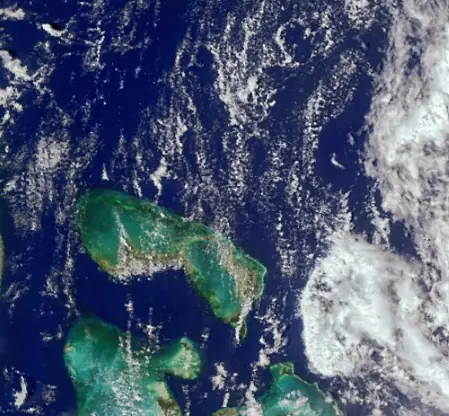
Picture this: turquoise lagoons one day, murky yellow bays the next. Ocean colors morph for reasons rooted in physics and biology, offering a window into marine ecosystems, according to leading scientists.
At its core, ocean color stems from how seawater interacts with sunlight’s spectrum. Pure H2O transmits blue light deepest, hence the stereotypical sea blue. Chlorophyll-laden phytoplankton flip the script, absorbing blue and red while scattering green, especially in fertile shallows teeming with life.
High-productivity regions light up green on satellite maps, indicating robust biological activity. Barren expanses stay profoundly blue. Deviations like pea-soup greens or rusty yellows point to sediments, runoff, or algal proliferations—some benign, others perilously toxic.
This data powers critical applications. Spotting harmful blooms prevents mass die-offs and health scares. Fishermen use color cues for prime hauls; managers optimize aquaculture zones. NASA’s ocean color archives, bolstered by NOAA, track long-term trends in water clarity and plankton dynamics.
The game-changer? NASA’s February 2024 PACE launch. This powerhouse probes 100+ wavelengths, unmasking phytoplankton diversity, aerosol influences, and atmosphere-ocean exchanges. Released imagery already maps global plankton trails, cloud interactions, and carbon sinks with unprecedented detail.
Joint NASA-NOAA efforts translate this into actionable intelligence: refined climate simulations, air quality forecasts, ecological warnings. Coastal nations benefit from precise data on pollution, disasters, and biodiversity shifts. As climate pressures mount, ocean color monitoring stands as a beacon for resilient stewardship of our blue planet.