
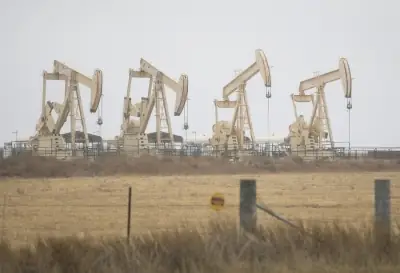
After rocketing over 10% in the prior session on supply crunch fears from Iran’s counteroffensives, crude oil prices found footing Tuesday, ticking up around 1% as West Asia jitters persisted.
American WTI crude settled 1.4% higher at $72.23 per barrel. Brent, the global benchmark, firmed 1.87% to $79.2 early on. The catalyst: escalating Iranian strikes on Saudi energy assets and ominous threats over Strait of Hormuz navigation, a conduit for 20% of world oil and 40%+ of India’s crude needs.
A modicum of relief emerged from Washington, where officials previewed domestic price-control initiatives. Treasury’s Scott Bessent and Energy’s Chris Wright are set to detail responses Tuesday, per Secretary of State Marco Rubio.
Investment banks like Morgan Stanley sound alarms: temporary Hormuz snags could lift Brent past $90/barrel; regional war might propel it to $120. Limited skirmishes signal $5-10/barrel jumps; infrastructure damage, $10-12.
India faces outsized pain – each $1 oil uptick swells its yearly import tab by $2 billion, pressuring forex reserves and consumer wallets. Short-term resilience via reserves exists, but endurance tests loom if alternate routes from Russia, Africa, or South America falter.
Markets brace for aftershocks, with oil’s renewed premium capturing intertwined threats of geopolitics, supply shocks, and resurgent inflation in an already fragile global economy.