
Tensions between Israel and Iran boiled over into tragedy Tuesday when a devastating rocket assault leveled parts of Beit Shemesh, killing nine residents—including several children—and injuring dozens more. Located 30 km west of Jerusalem, the city became a warzone in an instant, with homes reduced to dust.
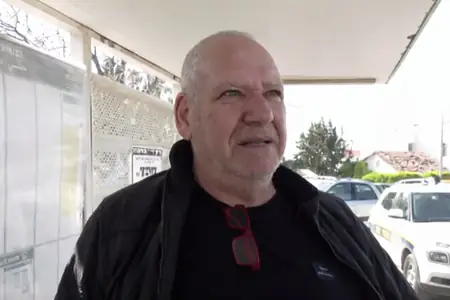
From the heart of the destruction, Shimon Gann painted a vivid picture of the nightmare. ‘Three, four seconds—that’s all it took to wipe out everything. Look around: houses gone, people hurt. My neighbors’ family, nine of them gone forever. Kids included. I saw them yesterday; now they’re memories.’ His words capture the disbelief rippling through the community.
Search and rescue efforts press on, with dogs and drones aiding crews in the hunt for survivors. Medical facilities strain under the influx of casualties, while counselors prepare for the mental health fallout. The attack’s precision suggests sophisticated weaponry, fueling speculation of state-sponsored aggression.
In response, Israeli security forces have heightened alerts, patrolling streets and skies. Officials implore calm: ‘Remain indoors until all clear.’ This event fits into a pattern of escalating proxy conflicts, with Iran repeatedly threatening retaliation for Israeli actions.
As Beit Shemesh buries its dead, the human cost demands reflection. Families huddle in shelters, children orphaned overnight. Diplomatic channels buzz with urgent talks, but history warns of tit-for-tat spirals. Preventing further bloodshed requires bold leadership from all sides.