
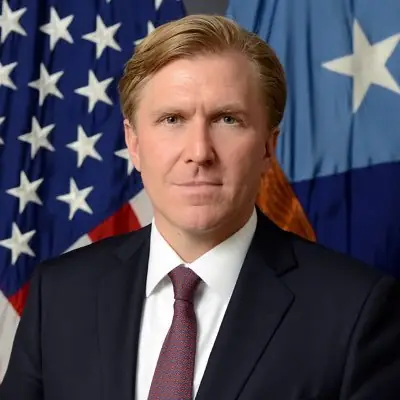
The Pentagon’s top policy voice, Elbridge Colby, laid out a transformative vision to U.S. senators: the Trump team’s 2026 National Defense Strategy elevates deterring China in the Indo-Pacific as mission critical. Allies face a clear directive – invest more in their security to complement America’s rebalanced focus on Asian power dynamics.
Testifying on military priorities, Colby underscored efforts to sustain equilibrium in the Indo-Pacific, the world’s premier economic zone. Washington seeks no clash with China, no economic stranglehold, no internal meddling – just prevention of Beijing’s overlordship. The First Island Chain emerges as ground zero, with U.S. forces honing denial capabilities across this vital arc from Japan via Taiwan to the Philippines.
Mastering these defenses locks in regional peace, freeing U.S. resources for worldwide contingencies. Colby’s economic rationale was compelling: profound American stakes hinge on this marketplace giant. The plan fortifies alliances with partners anxious about China’s military surge, many prioritizing sovereignty over submission to any hegemon.
A philosophy of shared loads permeates the doctrine. Finite U.S. might necessitates ally contributions. Colby rebuked post-Cold War defense lapses among affluent partners, insisting NATO lead against Russian conventional forces and South Korea own North Korean deterrence.
Sustained competition requires beefing up defense production via mobilization, delivering swift, massive supplies of superior weapons to U.S. and friendly troops. Primary fixation on China doesn’t blind to Russia, Iran, North Korea perils. Colby warned against boundless pledges: strategic restraint ensures endurance.
India and fellow Indo-Pacific states stand to gain from this emphasis on equilibrium, reflecting U.S. dedication to multilateral checks on Asian power concentration.