
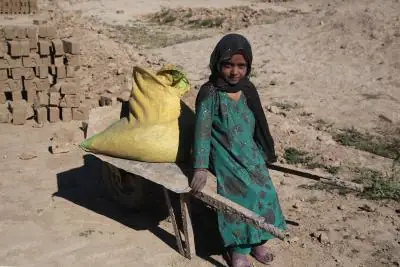
In a stark revelation, Pakistan’s Planning Commission has exposed a dramatic uptick in poverty and inequality from 2018-19 to 2024-25. Household surveys reveal national poverty soaring to 28.9% from 21.9%, with rural areas hit hardest at 36.3% (up from 28.2%) and cities at 17.4% (from 11%).
Behind these numbers lies a toxic mix: unemployment climbing to 7.1% from 5.7%, and real household incomes shrinking by 27.5%. Families’ buying power has eroded, pushing millions deeper into hardship.
Major disruptions fueled the decline. COVID-19 in 2019-20 stalled the economy, while 2022-23 floods caused unprecedented destruction. IMF-driven reforms added fuel to the fire through subsidy eliminations, indirect tax burdens, and massive cuts to development budgets, squeezing the vulnerable.
Erratic policies have worsened an already dire situation. The Planning Minister, unveiling the report, stressed export-oriented strategies, targeted investments in lagging districts, improved inter-governmental finances, and fortified welfare systems—encompassing cash transfers, anti-poverty initiatives, and SME boosts.
Observers call this a clarion call for comprehensive reform. With clear pathways to reduce disparities and uplift lives, the onus is on leaders to deliver tangible progress toward sustainable development and social justice.