
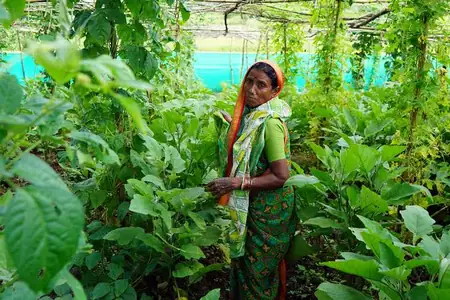
Nestled in Central India’s heartland, Mandla district’s tribal communities are witnessing a green revolution through agroecological homesteads. According to a detailed report, PRADAN and CGIAR’s collaborative effort has turned modest backyard plots into engines of growth, significantly hiking women’s incomes and family nutrition.
By tailoring crops to elevation-specific needs—growing varied vegetables, rotating fields, composting biologically, harvesting rainwater, and linking livestock to farm waste—the model maximizes output. IWMI findings boast a 350% rise in crop diversity, doubled dietary diversity, and 70% more nutrient-packed greens.
Households now enjoy reliable protein via poultry, bolstered savings, and slashed external dependencies. Women, once sidelined, now helm farm strategies and productivity.
The pre-project landscape? Monocrops dominated: maize on highlands, paddy in lowlands. Backyards lay barren, battered by unpredictable weather, slope erosion, fuel cost hikes, and market whims, as PRADAN’s Saurabh Kumar describes.
Enter the new era: 400-500 sqm plots fertilized with Jeevamrut and Panchagavya, crafted from organic cow-based recipes. Chimkatola resident Kusum beams, ‘From buying market goods to self-producing everything—it’s transformative.’
This initiative proves agroecology’s power in tribal belts, blending sustainability with empowerment. It challenges outdated practices, paving the way for resilient, nourished communities across similar regions.