
Tensions from Iranian strikes rippled through Dubai’s skies, but relief arrived for 170 Indians via a predawn flight to Ahmedabad. Flydubai FZ 8437 glided onto the runway at Sardar Vallabhbhai Patel International Airport at 4:40 AM Thursday, marking a pivotal evacuation amid canceled flights and surging chaos.
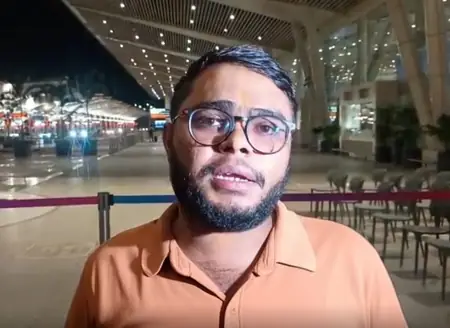
The passengers, eyes weary but spirits lifted, were greeted by relieved relatives. Organized as a relief measure, the flight cut through the uncertainty gripping the region. Vinod Tolani, a grateful returnee, shared insights: ‘The vibe was apocalyptic; no flights seemed possible for days.’ Cancellations stretched to March 9, post-attack security measures tightened everything.
When operations resumed sporadically, jubilation mixed with sticker shock. ‘Normal tickets ballooned to 90k rupees, extremes at 1.9 lakhs,’ Tolani revealed, decrying the exploitation. Dubai Airport resembled a refugee camp: hordes outside pleading for access, only ticket-holders inside enjoying sparse hotel provisions.
Outdoors, endurance tested limits—no facilities, just raw determination. Days of makeshift survival defined their wait. This flight’s success spotlights effective crisis response, yet amplifies calls for subsidized repatriation.
With expatriates numbering millions, such events test bilateral ties. Ahmedabad’s warm welcome transitions evacuees to normalcy, but policymakers ponder long-term safeguards. The narrative of resilience amid adversity resonates, urging better preparedness for future flare-ups.