
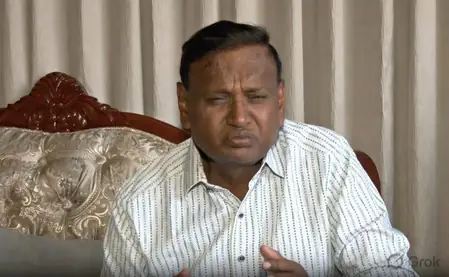
Bihar’s political corridors are buzzing with outrage following Chief Minister Nitish Kumar’s announcement to file nomination for Rajya Sabha. Opposition heavyweights, including Congress’s Udit Raj and SP’s Fakhrul Hasan Chand, have branded it a gross betrayal, particularly of the economically backward classes that form Kumar’s bedrock.
From the national capital, Udit Raj unleashed a tirade: ‘Nitish is all set to betray the public. He rode EBC waves to power but offered nothing in 20 years—no educational institutions, unmet quotas, mere token efforts.’ Raj challenged the propriety of a CM vacating state responsibilities for national politics, foreseeing irrelevance in Delhi. ‘Post-election, no one will care about him—this cheats the EBCs outright.’
Chand from SP linked it to BJP’s larger strategy: ‘Opposition flagged BJP’s covert bid for Bihar control. Nitish’s government was his legacy; now they push their CM. It’s concerning—BJP governance breeds communal strife over growth everywhere.’
Kumar put rumors to rest with an X update, revealing a longstanding wish: ‘I’ve always aimed to serve in both houses of Parliament, akin to my Bihar roles. Contesting this Rajya Sabha election fulfills that.’
Raj also weighed in on Nepal’s electoral future in 2026, calling for democratic resilience. ‘Neighbors need democracy for meaningful talks; tyranny or disorder ends discourse. All parties deserve space—Nepal must fortify its democracy.’
This episode underscores fragile coalition dynamics in Bihar, where personal ambitions clash with public expectations. As accusations fly, the focus sharpens on whether Kumar’s exit paves the way for BJP dominance and what it means for the state’s marginalized communities.