
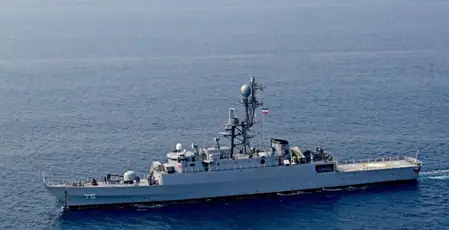
Tensions skyrocketed in the Indian Ocean after a US submarine obliterated the Iranian frigate IRIS Dena with torpedoes, the first such incident since World War II. Iran’s top diplomat, Seyed Abbas Araghchi, unleashed scathing criticism, calling it maritime barbarism and assuring the US of profound remorse ahead.
Araghchi detailed the horror on social media: the attack occurred in international waters near southern Sri Lanka, targeting a ship with 130 personnel who had just hosted Indian naval forces. ‘2,000 miles from our coast, they struck our guest vessel without warning,’ he fumed.
The Dena was homeward bound from India’s 2026 International Fleet Review in Visakhapatnam, a spectacle uniting 74 nations’ navies—minus the US, which yanked its destroyer USS Pinkney pre-event.
Swift rescues by Sri Lanka’s navy saved roughly 30 lives, treated at Galle’s main hospital. US Defense chief Pete Hegseth verified the sinking, framing it as a precise hit on an Iranian threat. Yet Tehran’s narrative paints provocation in neutral seas.
This flare-up disrupts a key shipping artery, raising alarms over freedom of navigation. Araghchi’s stark prediction underscores Iran’s resolve: the US gambit sets a perilous example. Stakeholders from Delhi to DC ponder next moves in this high-seas showdown.