
The T20 World Cup 2026 curtain fell harshly on West Indies with a five-wicket loss to India in Super-8, ending their campaign prematurely. Yet, the Caribbean flair that defines the team is now tempered by an unanticipated hurdle: they’re marooned in India, unable to fly home.
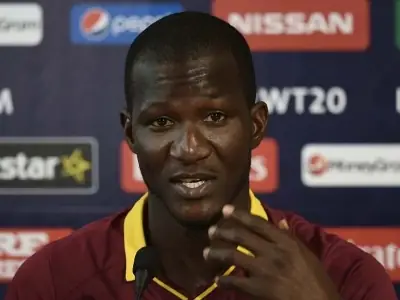
Darren Sammy, the no-nonsense head coach, laid bare his sentiments on social media. ‘I just want to go home,’ he posted on X, a cry echoing the frustration of a squad ready to regroup on familiar soil.
Blame the brewing storm between Iran and Israel. Intensified military exchanges have locked down regional airspace, compelling airlines to overhaul routes typically used for transits from India to the West Indies. Delays mount as safety protocols take precedence.
Cricket West Indies addressed the issue head-on in a statement. The senior men’s team, along with coaches and officials, remains in India under secure conditions. Efforts to facilitate their return are underway, prioritizing secure travel arrangements in tandem with the ICC.
Zimbabwe’s recent plight mirrors this: their post-tournament path home via Dubai crumbled, leading to an Ethiopian Airlines detour through Addis Ababa. Divided into batches, they navigated the extended trek back to Harare.
For Sammy and his charges, this limbo adds insult to the injury of elimination. The coach’s straightforward plea cuts through the noise, reminding fans of the human side of elite sport. With the ICC orchestrating logistics, hope glimmers for a breakthrough.
As airlines adapt to the volatile skies, this saga illustrates how distant conflicts cascade into sporting spheres. West Indies, synonymous with unpredictability on the field, now rides a wave of geopolitical unpredictability off it—eager for the moment wheels up and home beckons.