
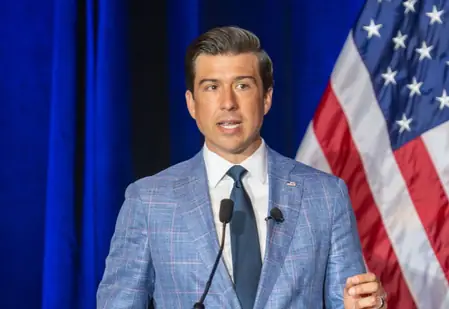
The US Department of Agriculture is pivoting its trade playbook toward India and China, aiming to ignite export growth. Luke Lindberg told a House panel on March 5 that this focus heralds fresh opportunities, even as sharp exchanges erupted over tariffs, aid shifts, and import woes.
Representatives hammered on reducing foreign dependencies—like 75% of seafood—and boosting homegrown yields. Lindberg projected a deficit drop to $29 billion, driven by more production, local eating, and overseas sales. ‘America First’ guides the charge: craft winning deals, nurture ties, and demand partner compliance.
Asian gains shine bright, from market access in South Korea and Taiwan to China’s 12 million metric ton soybean haul. India’s tariff walls on pecans and specialty crops are negotiation targets. New frontiers emerge in Central America—Guatemala’s 50 million gallon ethanol buy—and Europe for beef.
Partisan rifts surfaced, with Democrats slamming tariffs for cost spikes and retaliatory hits. Bishop cautioned on policy pressures and Food for Peace’s USDA move, but Lindberg touted a hefty $452 million for 211,000 tons of aid. Ultimately, he painted a farmer-friendly future: produce more, consume locally, export boldly to reclaim trade surplus.