
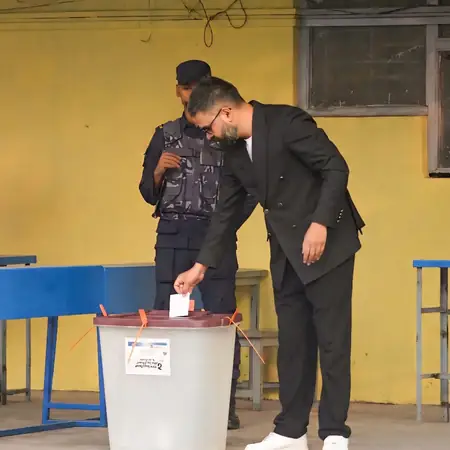
By early afternoon on Thursday, Nepal’s parliamentary polls had engaged over 4 million citizens, representing 24% of the 18.9 million-strong voter base that includes 915,119 new registrants. Election officials praised the tranquil rollout since 7 AM, marking a pivotal democratic milestone post the 2025 Gen-Z revolt that dismantled KP Sharma Oli’s regime.
At stake are 275 seats in the House of Representatives: 165 under first-past-the-post and 110 proportional representation slots. Nepal Police’s DIG Abi Narayan Kafle reported minimal disruptions, with polling centers operating seamlessly bar a handful of localized issues promptly contained.
Central highlights included a confrontation in Dolakha’s Tamakoshi Rural Municipality, where a frustrated candidate supporter lunged at an election officer refusing irregular voting protocols. Authorities responded decisively, firing warning rounds and suspending proceedings for an all-party dialogue, as per Assistant CDO Aulakh Bahadur Ale.
Southern Sarlahi-4 saw fleeting unrest at a booth contested fiercely by Gagan Thapa of Nepali Congress and RSP’s Amresh Kumar Singh. Police assured no subsequent threats to the broader process. Prominent figures casting early ballots were PM Sushila Karki, Oli, Prachanda, Rabi Lamichhane, and Balen Shah, amplifying public engagement.
‘No violence by afternoon,’ Kafle noted, underscoring the serene national mood. Karki exhorted voters post her vote: ‘Exercise your right; your vote crafts tomorrow.’ With voting ongoing, expectations rise for substantial participation, heralding potential political stability after unrest.