
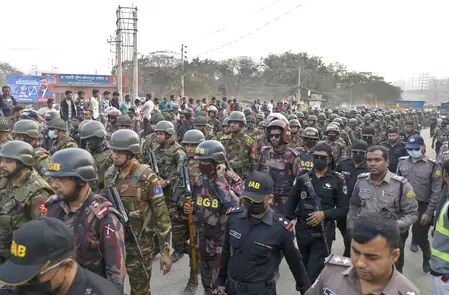
Bangladesh grapples with the bloody fallout from its elections, where human rights monitors Odhikar report 10 deaths and 476 injuries from 104 incidents between February 13-28. This surge in post-election brutality, covered extensively by local press, signals alarm bells for political stability in the South Asian nation.
The Thursday release under the EU-backed ‘Assistance to Restore Democracy’ project spotlights BNP factional wars responsible for 29 clashes, killing four and injuring 136. Affected parties include BNP workers, Jamaat-e-Islami affiliates, Awami League supporters, BNP-linked independents, and civilians. Khulna Division led in tolls with three dead and 191 injured; Rajshahi and Barishal followed with two each; Dhaka one death and 90 hurt; one each in Chittagong and Mymensingh.
On-the-ground monitoring in 50 areas documented 32 events across 17 sites: five fatalities, 41 injuries, peaking in Khulna-3. Acts spanned mob violence, intimidation, and destruction—including a Hindu temple raid in Sylhet. Police engaged in 44% of cases via probes or controls, but lapses were rife elsewhere.
Odhikar demands immediate equitable inquiries, fortified security for vulnerable populations, early alerts, and proactive interventions against election violence. Long-term fixes involve refining party conflict strategies, continuous vigilance, and prevention tactics to heal divisions and avert further tragedy.