
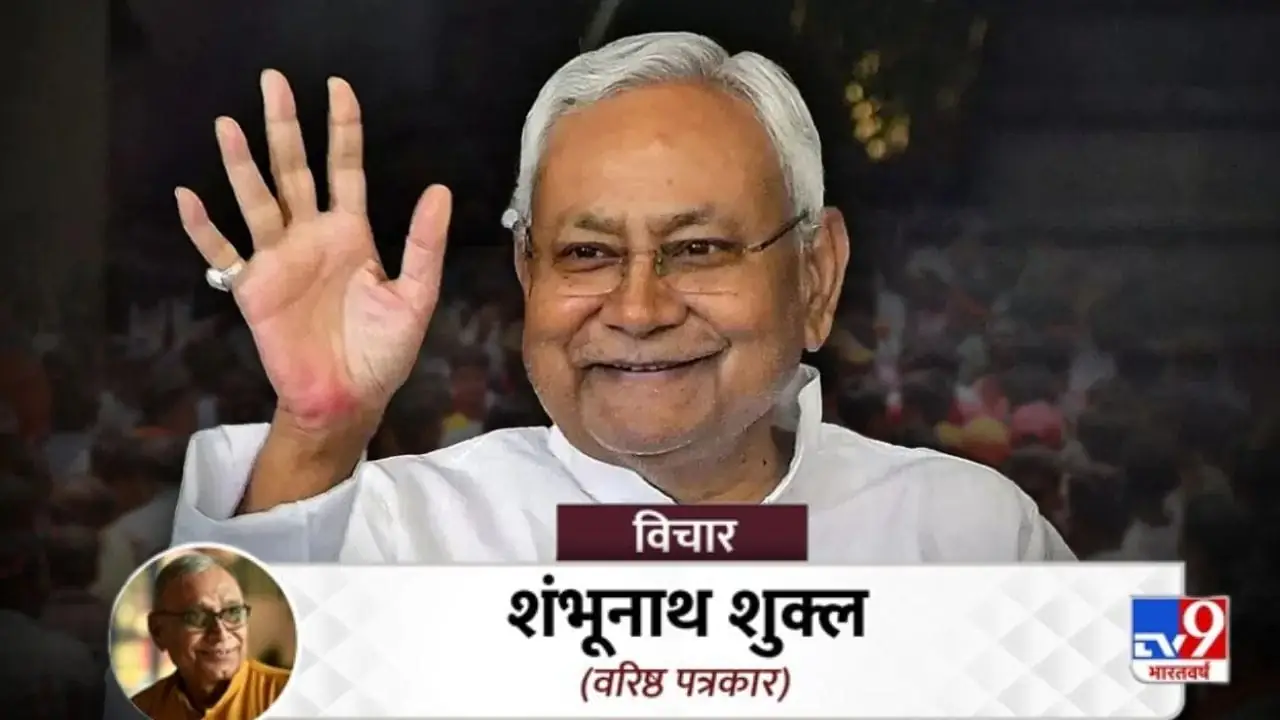
The announcement of Nitish Kumar’s Rajya Sabha shift in late 2025 has ignited debates on Bihar’s post-Nitish future. The man who rebuilt a broken state bids adieu, leaving a legacy of stability amid predictions of political flux.
Bihar once epitomized ‘jungle raj’: caste massacres under Congress and Lalu-Rabri regimes, nightly terrors, impassable roads. Outsiders shunned it; insiders huddled indoors. Nitish’s 20-year reinvention brought airports, highways, and safety, turning dread into destination.
Central to his success: harmonizing foes. BJP ally yet resister of their Hindutva push, he preserved secular socialism. He dismantled Lalu-era caste chasms that bred violence while mending communal fissures.
Law and order transformed. Women emerged boldly—shopping solo, cycling home. Village visits reveal this shift, as noted by scriptwriters familiar with rural Bihar. Prohibition, for all criticism, slashed alcohol-fueled abuses, empowering households despite cross-border smuggling.
Nitish winged girls’ ambitions with cycles to schools and cities. EBCs gained 20% panchayat seats, fostering equity with landed castes. Universal 50% women’s quota in reservations across boards ensured gender parity, curbing ‘husband-pradhan’ culture.
His alliances were legendary: 2005 NDA government, 2013 NDA exit over Modi, 2015 RJD tie-up, 2017 NDA return, 2022 Mahagathbandhan, 2024 INDIA exit for NDA. 2025 verdict—JD(U) 85, BJP 89—crowned this, but health woes prompted home department handover.
From ‘Sushasan Babu’ to strategist schooled by George Fernandes, Nitish disciplined Hindi heartland’s wild child. Departure spells Mandal politics’ demise; Muslim base eyes Congress revival, per thinkers, if it breaks RJD shackles.