
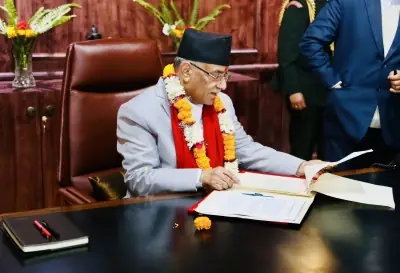
Former Nepali PM Pushpa Kamal Dahal, better known as Prachanda, is reclaiming his seat in the House of Representatives following a resounding victory in Rukum East-1. With 10,240 votes to his name, he left CPN-UML challenger Lilamani Gautam in the dust at 3,462. This result bucks the trend of struggles for established parties in these elections.
Election Commission data reveals a stark contrast: while Nepali Congress head Gagan Thapa and ex-PM KP Oli trail Rastriya Swatantra Party candidates, Prachanda’s Maoist legacy held firm. His history with the NCP, born of key communist mergers, fueled this success in a sympathetic region.
Accusations of cherry-picking seats persist – abandoning Gorkha-2 post-2022 for this perceived stronghold. Yet, his track record is unmatched. Post-2006 peace deal, he debuted in 2008 from Kathmandu-10 and Rolpa-2, then triumphed in Siraha-5 (2013), Chitwan-3 (2017), and Gorkha-2 (2022).
Central to the 1996-2006 insurgency, Prachanda pivoted to democracy, embedding his vision into Nepal’s fabric. Party setbacks since 2008 haven’t dimmed his star; strategic pacts with Nepali Congress and CPN-UML have yielded repeated PM stints.
Prachanda’s comeback amid party reversals highlights his resilience. As Nepal eyes a fragmented parliament, his role in stitching alliances looms large, promising more twists in the political drama.