
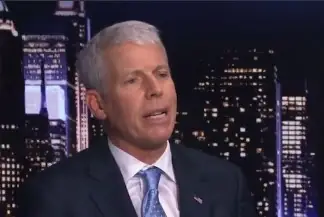
Amid mounting pressure on global energy markets, US Energy Secretary Chris Wright announced on March 6 that the Biden administration has urged India to acquire Russian crude languishing in South Asian floating storage. The goal: a quick refinery boost to counteract Hormuz-related supply strains.
Wright, in a candid interview, pointed to tankers loaded with Russian oil—originally for China but now in limbo—as prime targets. ‘South Asia’s Russian oil stockpiles—it’s China’s, just backed up,’ he described.
Tensions flaring near the Strait of Hormuz have choked shipping lanes, fueling fears of oil shortages. This critical passage carries a fifth of seaborne crude, amplifying any geopolitical ripple into market mayhem.
The US-India collaboration seeks to bypass this by routing stored oil directly to Indian processing plants. This eases global refinery competition, allowing smoother access to alternative supplies elsewhere.
India, a refining powerhouse and massive crude buyer, has leaned heavily into Russian imports post-Ukraine sanctions. Its facilities turn discounted crude into exported fuels, stabilizing worldwide availability.
Optimism prevails long-term: ‘We need oil in markets short-term; supply is abundant long-term,’ Wright assured. He dismissed notions of policy shifts on Russia, framing it as tactical relief.
This move joins other ad-hoc steps to anchor prices. In an era of fragile shipping routes, such nimble responses underscore the high-stakes dance of international energy diplomacy.