
Reporters Without Borders (RSF) issued a urgent alert from its Paris headquarters, expressing deep concern over Pakistan’s treatment of Afghan refugees—especially journalists who fled Taliban rule. The watchdog links the abuses to escalating clashes between the two nations, with Islamabad citing security threats post its February 27 ‘open war’ announcement.
RSF details a campaign of arrests targeting exiled Afghan media workers in Pakistan. Recent weeks have seen heightened activity: several journalists nabbed last week, part of nearly 20 incidents tracked since 2026 began. In just 15 days, six supported by RSF were compulsorily sent back, pushing the January tally to nine.
Journalists recount systematic intimidation. ‘Raids against Afghans in our area have been nonstop since February 27,’ one shared with RSF. Allegations include army misconduct and graft, forcing payments for release. One victim’s story stands out: after a day in custody, he paid 115,000 PKR ($400) to dodge deportation, followed by eviction from his home.
Having escaped Afghanistan’s media blackout under Taliban control, these professionals now confront double jeopardy. Celine Mercier, RSF’s South Asia lead, labeled the moves as punitive. ‘Arbitrary detentions and deportations amid tensions cannot target those who escaped Taliban threats. It’s a direct shove into harm’s way—arrests, beatings, or worse.’
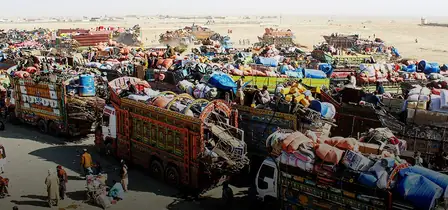
She demanded Pakistani authorities cease targeting Afghan journalists, provide protection, and honor non-refoulement. The actions fit into a 2023-initiated expulsion drive against Afghan refugees, intensified by Taliban frictions.
This unfolding drama reveals the fragility of press freedom in exile. RSF’s intervention aims to rally international support, ensuring journalists aren’t sacrificed on the altar of bilateral discord. The coming days will test Pakistan’s commitment to refugee rights amid its security priorities.