
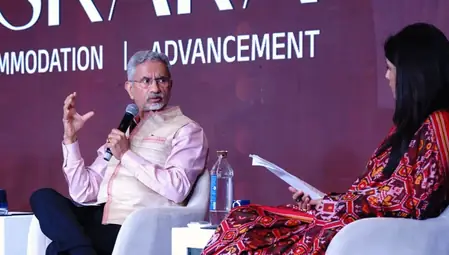
External Affairs Minister Dr. S. Jaishankar pulled no punches at the Raisina Dialogue 2026, justifying India’s humanitarian docking of Iranian warship IRIS Lavan at Kochi as tensions flared in West Asia. The comments, delivered on the event’s closing day in New Delhi, cut through geopolitical noise.
The story began with Iran’s urgent plea for aid. IRIS Lavan, fresh from the International Fleet Review, signaled technical failures during regional operations, prompting a beeline for Kochi—the nearest safe haven.
This outreach predated the deadly strike on IRIS Dena south of Sri Lanka. The trio of Iranian ships—Lavan, Dena, and Bushehr—had joined India’s MILAN 2026 exercise and fleet review in Visakhapatnam in mid-February.
Acting swiftly, India authorized the port call on March 1 following the February 28 distress call. The frigate docked successfully, quartering its 183-strong crew at Kochi’s naval base.
In vivid detail, Jaishankar shared: ‘Iran informed us their ship, closest to us, needed our port due to issues—February 28. We approved March 1; they arrived after delays, young cadets included, now settled nearby.’
‘It was humanity at play,’ he affirmed, noting the ship’s innocent intent for naval drills before chaos ensued.
Tragedy struck IRIS Dena on March 4: a US submarine’s torpedo in international waters 40 nautical miles from Galle led to its sinking. Sri Lanka fished out 87 corpses; 32 sailors lived to tell the tale. US Defense Secretary Pete Hegseth owned up.
Jaishankar reflected: ‘Another ship met a similar fate off Sri Lanka; their call, our humanitarian lens ignoring legal hurdles. Right move, I’d say.’
On social media storms over Indian Ocean power plays, he advised realism: ‘Debates rage online—sharp, furious, over-the-top. But facts: Diego Garcia, 50 years strong; Djibouti bases, early 2000s. Know your ocean.’
India’s decision exemplifies principled diplomacy—saving lives when others might not—amid a volatile Indo-Pacific theater.