
Rapper Badshah finds himself at the center of a storm following the release of ‘Tittari’, his new Haryanvi collaboration with Simran Jaglan on March 1. Social media erupted in condemnation over lyrics and visuals featuring schoolgirls, labeled by detractors as obscene and insulting to women and children, prompting widespread calls for accountability.
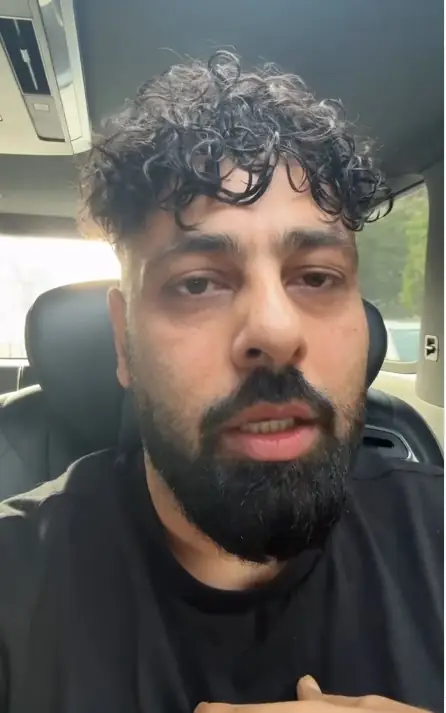
Responding swiftly, Badshah shared an Instagram video expressing deep regret. ‘Friends, my song ‘Tittari’ has a part where the lyrics and visuals hurt sentiments, especially among Haryanvis—my own people,’ he admitted. With evident pride in his origins, he continued, ‘I’m Haryana-born and bred. My speech, food, culture—it’s all Haryana. I embrace my Haryanvi identity fully.’
Delving into hip-hop conventions, he noted, ‘Lyrics here mock rivals, not women or children. I’ve dedicated myself to uplifting Haryanvi traditions.’ His apology peaked with a poignant appeal: ‘I seek forgiveness sincerely. See me as your Haryana son and pardon me.’
The fallout intensified with official action. Haryana’s Women’s Commission issued a summons, a complaint was lodged at Panchkula cyber cell, the video was pulled from YouTube, and a lookout notice initiated.
This controversy reignites discussions on artistic freedom versus cultural respect in regional music. Badshah’s genuine contrition has softened some stances, but legal hurdles loom large. Industry observers predict this could reshape how Haryanvi hip-hop navigates sensitive themes moving forward.