
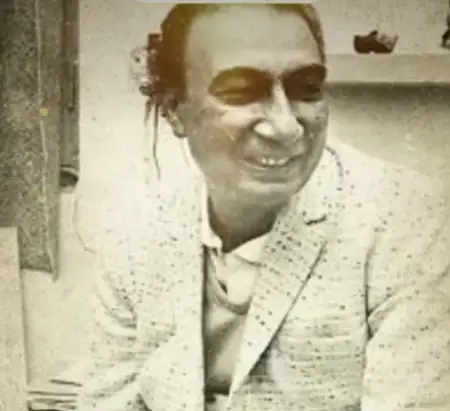
Picture a boy from a zamindar family in 1921 Ludhiana, orphaned of stability by divorce, roaming streets for work. That boy became Sahir Ludhianvi, whose lyrics revolutionized Indian cinema. As we celebrate his March 8 jayanti, let’s trace this odyssey.
Post-separation, Sahir and his mother battled destitution. By 1943, he was job-hunting relentlessly—Urdu editorials, odd gigs. But poetry was his salvation. ‘Talkhiyan’ (1945) stunned readers with its raw rebellion, earning acclaim in shayari circles.
Bombay called in 1949. Entry-level film work led to ‘Naujawan’ in 1951, then ‘Bazi’. SD Burman’s melodies met Sahir’s words in masterpieces: ‘Pyaasa’s’ haunting ballads, ‘Munimji’s’ melodies. Their synergy was magic.
Sahir’s genius lay in balance—progressive fire with romantic allure. Iconic lines pierced hearts: anti-sectarian plea in ‘Tu Hindu banega…’, feminist rage in ‘Sadhna’, poignant waits in ‘Bahu Begum’, philosophical queries in ‘Chitralekha’. ‘Gumrah’s’ reinvention of strangers tugged at soul strings.
Directors revered his insight. Sahir didn’t just write songs; he scripted societal mirrors. Decades later, his work endures, a beacon for aspiring voices facing turmoil. From rags to poetic riches, Sahir Ludhianvi’s legacy whispers eternally.