
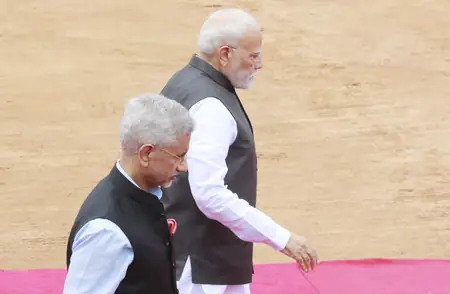
Tensions in West Asia prompted an emergency high-level powwow in the national capital on Monday, drawing Prime Minister Narendra Modi and Home Minister Amit Shah into the fold. The session kicked off with Foreign Minister S. Jaishankar, NSA Ajit Doval, and CDS Anil Chauhan dissecting the latest threats, later bolstered by the top duo’s participation.
Fresh from parliamentary briefings, Jaishankar emphasized Modi’s hands-on approach to the crisis engulfing Gulf nations teeming with Indian workers. Evacuation efforts have repatriated nearly 67,000 nationals, with relentless operations pressing forward. The government’s pledge: unwavering support for every Indian in harm’s way.
Why the alarm? The Gulf hosts millions of Indians fueling bilateral economies. A March 1 CCS huddle, presided by Modi, zeroed in on Iran’s air assaults and chain-reaction strikes, fretting over community security and fallout on commerce and security corridors.
The war machine rages on, security crumbling, devastation spilling over borders with rising deaths and halted businesses. Jaishankar’s March 3 diplomacy push called for ceasefires, a call Parliament backed amid shared grief for the afflicted.
Modi and Shah’s involvement elevates the discourse, crafting nuanced responses to a multi-front challenge. India’s strategy weaves evacuation triumphs with fervent appeals for peace, underlining its role as a responsible global player committed to human security and economic resilience in a fracturing West Asia.