
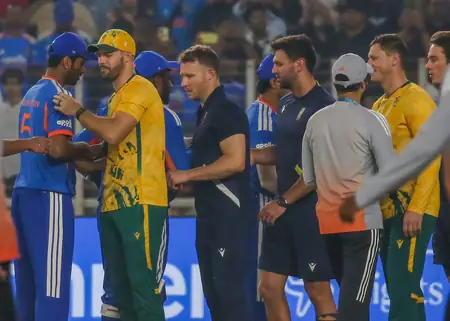
Cricket’s governing body, the ICC, breathed a collective sigh of relief as it verified the departure of lingering South African and West Indies contingents from India. The T20 World Cup 2026 had wrapped up, but geopolitical flares in the Middle East kept 45 souls grounded longer than anticipated.
Over the preceding 24 hours, South Africa’s 29 remaining members and West Indies’ 16 boarded flights homeward. This culmination of a fraught evacuation effort came against a backdrop of closed airspaces, missile warnings, and disrupted routes plaguing global carriers.
ICC operations sprang into high gear, forging partnerships across borders. Governments, airlines, charter firms, airports, and cricket boards collaborated seamlessly to iron out travel snarls. Nine West Indies players had pioneered the return path earlier, smoothing logistics for the rest.
In a heartfelt note, the ICC thanked Cricket South Africa and Cricket West Indies for their solidarity. Internal heroes – the logistics and operations squads – earned plaudits for safeguarding players, staff, and kin amid chaos.
Mid-week disclosures painted an optimistic picture: Four South Africans plus five family members were en route, priming the larger group’s imminent exit. Adaptability defined the mission, with strategies pivoting to match evolving threats.
The Gulf region’s unrest unleashed havoc on aviation – from abrupt halts to rescheduling marathons for both scheduled and private jets. ICC clarified these externalities lay beyond their remit, yet their orchestration proved masterful.
This ordeal serves as a stark reminder of sport’s intersection with world affairs. With all safely repatriated, focus shifts to recovery and readiness, fortifying cricket against future uncertainties.