
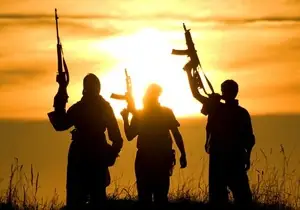
Tensions in Pakistan’s restive Balochistan province boiled over with a high-impact bombing of the Sui-Karachi gas pipeline, claimed by the Baloch Republican Guards (BRG). The attack, unfolding on March 11 near Kashmore in Sindh, ripped through the 36-inch conduit that powers Karachi from Sui’s gas fields, amid a national fuel price surge.
BRG spokesperson Dastain Baloch confirmed the use of explosives in a calculated hit, inflicting heavy damage and suspending gas transit. The group decried the ‘looting’ of Balochistan’s wealth, issuing stark warnings of future operations against energy infrastructure.
Parallel to this, the Balochistan Liberation Front (BLF) unleashed fury on Pakistani military targets in Tump. Spokesperson Major Gwahram Baloch recounted the March 8 assault on Apsi Khan and Shapchar Junction checkpoints. Encircled by BLF squads, the positions endured relentless fire from an arsenal of mortars, sniper rifles, rockets, LMGs, and grenade launchers.
Six soldiers perished in the opening hour, with the site left in ruins and casualties mounting. The battle raged across three more outposts, killing five others. Fighters neutralized a tracking drone, maintaining the element of surprise.
A rescue convoy met disaster via IED ambush between Abdui and Shapchar, losing a vehicle and four personnel. Extending their sabotage, BLF incinerated two Punjab-bound gas tankers near Turbat on March 9 after disabling them.
These brazen operations signal a coordinated push by Baloch insurgents, exploiting economic vulnerabilities. As gas shortages loom, Pakistan faces mounting pressure to address longstanding Baloch grievances over autonomy and resource shares, lest the instability spreads further.