
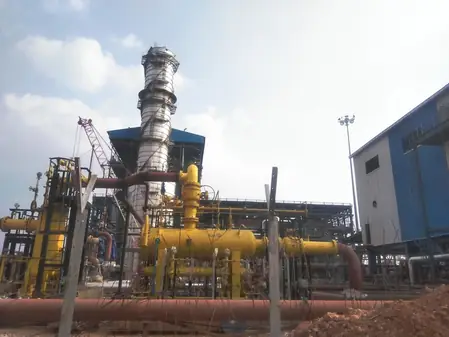
The shadow of West Asia’s conflict has reached Bengaluru’s power infrastructure, with GAIL pulling the plug on gas supply to the critical 370 MW Yelahanka plant at dawn on Thursday. As Karnataka’s only gas-based generator under KPCL, it’s now idled by a supply squeeze confirmed by Energy Ministry sources.
Earmarked for the city’s electricity needs and running non-stop since last December, the plant’s fortunes have flipped due to Israel-Iran hostilities choking gas imports. A fresh central directive prioritizes domestic use first—PNG and LPG at 100% of averages—then transport and fertilizers, relegating power production to last place.
Karnataka shoulders a hefty 355 million units daily load, sourced from thermal, hydro, solar, wind, the national grid, and power banking with Punjab, UP, and Haryana. State officials are vigilant, ramping up all avenues to maintain stability, but concede that deeper cuts could nick supplies.
The allocation framework, invoked via 1955 Essential Commodities Act provisions extended to 2026, ensures core sectors like households and CNG get undivided attention. Fertilizer plants claim 70%, industries 80%, city gas networks 80%, but power plants draw the short straw in this scarcity regime.
India’s energy mosaic is under strain from Gulf disruptions hitting LPG and natural gas hard. For Bengaluru, the Yelahanka episode spotlights the fragility of gas-dependent power amid global flux. Until tensions ease and pipelines refill, alternative generation will be the lifeline against potential flickers in the grid.