
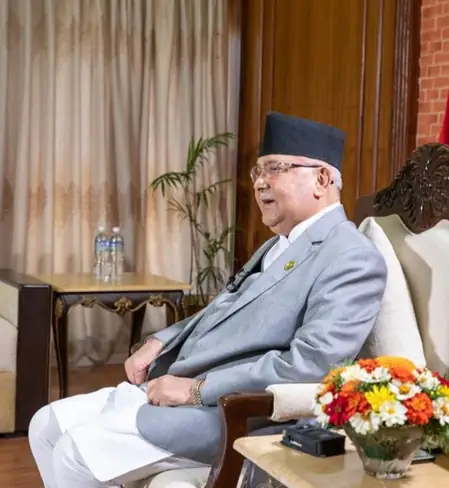
A seismic shift rocked Nepal’s parliament on March 5 as K.P. Sharma Oli, former prime minister and CPN-UML chief, bowed to an overwhelming electoral drubbing. In a post-election statement, Oli embraced the mandate, marking the end of an era for his party against the unstoppable Rastriya Swatantra Party (RSP).
Nowhere was the upheaval more evident than in Jhapa-5, eastern Nepal’s UML heartland. Balen Shah, the charismatic ex-Kathmandu mayor and RSP’s PM contender, annihilated Oli’s prospects, winning by 68,348 votes—the largest margin ever. Shah’s unprecedented vote haul dwarfed Oli’s paltry 18,734, sending shockwaves through political circles.
In the 275-member House of Representatives, UML grabbed just nine of 165 FPTP seats; the rest fill via proportional systems. RSP, founded only three-and-a-half years ago under Rabi Lamichhane’s leadership, dominated with 125 FPTP wins and superior proportional performance, toppling CPN-UML, Nepali Congress, and peers.
Reflecting on Facebook, Oli stated, ‘The results weren’t what we anticipated. People’s verdict reigns supreme in democracy, and we honor it fully. Our service pledge endures.’ He framed the loss as a challenge, committing UML to public proximity and trust-building.
Roots of this verdict trace to simmering discontent. The 2025 Gen-Z uprising escalated violently, with 77 fatalities and damages surpassing 84 billion Nepali rupees, forcing Oli’s resignation. Sushila Karki’s interim government then held these elections, ushering RSP into prominence.
With RSP poised for power, Nepal faces pivotal choices on stability and reforms. Oli’s dignified concession amid catastrophe exemplifies leadership, but signals deeper voter demand for change from a disillusioned populace weary of dynastic politics.