
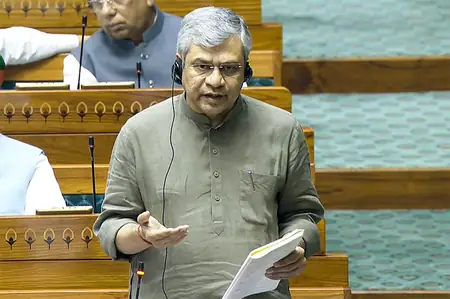
Railway Minister Ashwini Vaishnaw’s parliamentary update paints a picture of a high-tech future for Indian Railways, with AI inspections, drones, and sophisticated monitoring tools rolling out network-wide. These measures address longstanding safety concerns through relentless technological innovation.
In his written Lok Sabha reply, Vaishnaw detailed systems like MVIS, which leverages AI to spot defects on speeding trains. Currently piloted in key zones—Northeast Frontier, DFCCIL, and South East Central—a deal with DFCCIL adds four more for cargo lines. RDSO’s industry collaborations promise even smarter iterations.
Twenty-four WILD units now scrutinize wheel health via impact analysis, preventing potential failures. OMRS tracks rolling stock vitals, boasting 25 setups including Secunderabad’s latest. ITMS delivers precise rail diagnostics using advanced imaging, while Raipur tests drone thermography for overhead gear.
Looking ahead, the Tri-Netra prototype from RDSO integrates cameras, IR, radar, and LiDAR for all-weather loco piloting. The government’s February 26 Rail Tech Policy accelerates this tech infusion, signaling commitment to zero-accident rails.
This multifaceted approach—from real-time detection to predictive maintenance—ushers in safer journeys for crores of commuters. Indian Railways is no longer just tracks and trains; it’s a beacon of intelligent infrastructure driving national progress.