
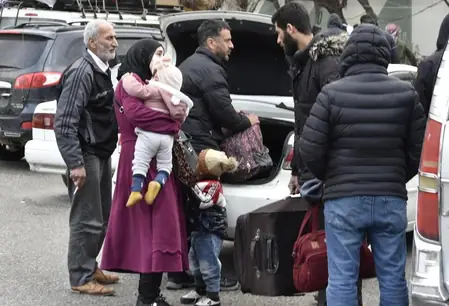
The war in Iran, triggered by US and Israeli attacks on February 28, has displaced approximately 3.2 million people internally, according to UNHCR’s latest assessment. Based on early evaluations of families nationwide, this number reflects the immediate chaos gripping the Islamic Republic.
UNHCR cautions that sustained combat will likely inflate these figures, intensifying a humanitarian emergency that strains every facet of aid delivery. Civilians, gripped by fear, have fled their residences en masse, seeking refuge in less bombarded areas amid relentless barrages.
The plight of refugee populations, especially Afghans who have long resided in Iran, is particularly acute. Pre-existing vulnerabilities—scarce services and economic hardship—now collide with war’s violence, driving them from danger zones. The agency calls for adherence to international law, pushing for accessible borders to enable secure exits.
Fatalities reveal the war’s indiscriminate fury. In a poignant disclosure, spokesperson Fatemeh Mohajerani detailed losses: 216 women deceased, 198 youths under 18, and 11 infants under five. The tender ages hit hardest—an eight-month-old slain, a four-month-old injured—evoke global outrage. Medical response is crippled, with 21 ER units damaged (three totaled) and 12 health workers killed.
As death and displacement spiral, the need for ceasefire talks intensifies, with UNHCR pleading for compassion amid the carnage.