
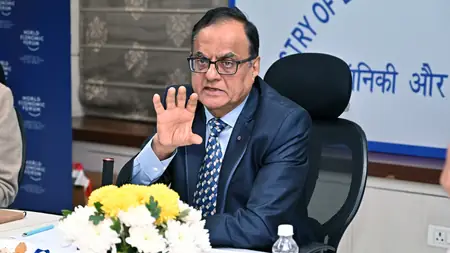
India is charting a distinctive path in AI regulation, leaning on trust-based principles rather than stringent controls, as articulated by Principal Scientific Adviser Ajay Kumar Sood during a virtual keynote at CSIS in Washington.
Sood, addressing the think-tank audience from New Delhi, positioned AI as a pillar of India’s economic and security architecture. Its expansion from experimental phases to ubiquitous application has made it indispensable, mirroring worldwide spikes in generative AI funding and data center expansions.
Governance now intersects profoundly with fiscal strategies, societal faith, and eco-friendly growth. Core tenets include security protocols, answerability, clarity, and broad participation, coupled with innovation-friendly adaptability.
The 2024 IndiaAI Mission brings these to life: shared high-end computing, centralized data ecosystems, native model creation, and training initiatives. Subsidized access has slashed expenses for startups and academia, igniting research fervor.
A treasure trove of thousands of datasets and models on the National AI platform accelerates domain-specific advances. India commits resources to educational reforms and proactive roles in worldwide AI bodies. The newly unveiled National AI Governance Report smartly integrates legal and technological safeguards, curbing hazards without stifling expansion.
With the AI Impact Summit in sight, Sood called for global harmony in AI enablement. Democratizing compute, data, and foundational tech ensures no single entity dominates, enabling customized solutions attuned to local contexts, tongues, and governance structures.
Sood cautioned that benchmarks of success must prioritize societal impact over mere capability, ensuring AI serves the greater good.